How EPDM Rubber Granules Achieve Exact Color Matching
- Share
- Issue Time
- Jul 21,2026
Summary
Achieving precise and consistent color in EPDM (Ethylene Propylene Diene Monomer) rubber granules is a critical process, extending far beyond mere aesthetics to impact safety, psychological influence, branding, and design flexibility in spaces like playgrounds and sports tracks. EPDM’s inherent properties, such as exceptional UV resistance, weather durability, elasticity, and chemical stability, make it an ideal material for vibrant and long-lasting surfaces. Crucially, EPDM is a virgin syntheti
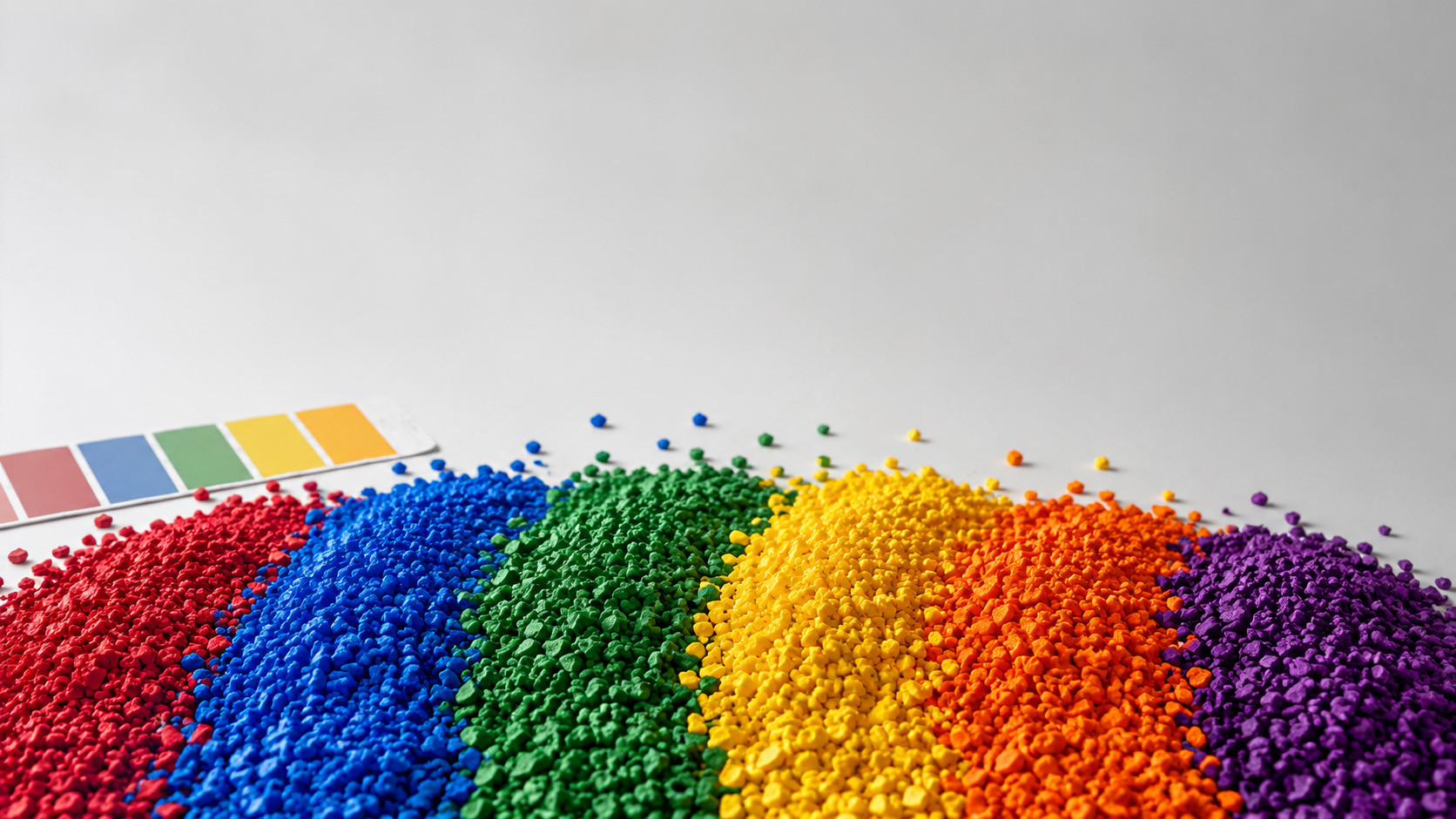
When we talk about vibrant playgrounds or top-notch sports tracks, the colors often catch our eye first. But have you ever wondered how those EPDM rubber granules keep their bright, consistent shades? I'm here to explain how we make sure every batch of EPDM rubber granules achieves an exact color match. Ensuring the perfect hue in EPDM surfaces isn't just about making things look good; it's about safety, durability, and bringing designs to life. Join me as we explore the journey of EPDM color options, from careful selection to advanced manufacturing that guarantees stunning results.
The Vibrant World of EPDM Rubber Granules: Why Color Matters for Our Spaces
Color in our shared spaces is not merely a decorative afterthought; it is a fundamental element that shapes our experience, influences our behavior, and ensures our safety. When it comes to surfaces like playgrounds, athletic tracks, and recreational areas, the material of choice is often EPDM (Ethylene Propylene Diene Monomer) rubber granules. The color of these granules is pivotal, transforming a simple surface into a dynamic, functional, and inviting environment. From defining safety zones on a playground to displaying team pride on a sports field, the role of color is as practical as it is aesthetic. Understanding the significance of these colors is the first step in appreciating the meticulous science and quality control behind achieving the perfect shade.
More Than Just Pretty Hues: The Impact of EPDM Color Options
The color of an EPDM surface has a profound impact that extends far beyond simple visual appeal. It is a powerful tool for architects, designers, and facility managers to create spaces that are not only beautiful but also functional and psychologically resonant.
Enhancing Safety and Wayfinding: Color is a crucial instrument for safety. On a playground, bright, contrasting colors can delineate different zones, marking areas for specific age groups or highlighting potential hazards like the edges of equipment. Similarly, on a running track or in a multi-sport court, different colored lanes and zones provide clear visual cues for athletes, helping to organize activity and prevent collisions. This use of "color zoning" is an intuitive and universally understood language that improves user safety and navigation.
Psychological and Emotional Influence: Colors have a well-documented effect on human psychology and mood. For instance, blues and greens often evoke a sense of calm and focus, making them ideal for recreational areas or the infield of a running track. Conversely, vibrant reds, yellows, and oranges can stimulate energy, excitement, and playfulness, which are perfect for dynamic playground environments. A thoughtfully chosen color palette can help create the desired atmosphere for any space, encouraging active play or focused competition.
Branding and Identity: For schools, sports teams, and corporate campuses, EPDM colors offer a unique branding opportunity. The ability to match specific team or brand colors allows an organization to instill a sense of pride and identity into its facilities. A university can build a running track in its signature colors, or a company can design a recreational space that subtly reinforces its corporate identity.
Aesthetic Integration and Design Freedom: EPDM granules come in a vast spectrum of colors, offering unparalleled design flexibility. This allows spaces to be seamlessly integrated with the surrounding architecture and natural landscape. Designers can create intricate patterns, logos, and custom graphics, turning a simple floor into a work of art. This creative freedom ensures that every project can be unique and visually stunning.
 Alt Text: Intricate EPDM color patterns on a modern playground surface.
Understanding the Fundamentals: What Are EPDM Rubber Granules Anyway?
To appreciate the art of color matching, it's essential to understand the material itself. EPDM stands for Ethylene Propylene Diene Monomer, a type of high-density synthetic rubber. It is renowned for its exceptional durability and performance characteristics, making it a superior choice for demanding outdoor and indoor applications.
EPDM is a "virgin" rubber, meaning it is synthesized specifically for its purpose, not derived from recycled materials like old tires (which are typically SBR rubber). This is a crucial distinction. Because it's a virgin material, its composition is pure and controlled from the outset, providing a clean, stable base for pigmentation. This purity is fundamental to achieving bright, consistent, and lasting color.
Key properties that make EPDM ideal for colored surfaces include:
- Exceptional UV Resistance: One of the most significant advantages of EPDM is its inherent resistance to ultraviolet (UV) radiation from the sun. Unlike other materials that can fade, harden, or crack with sun exposure, EPDM maintains its color and elasticity for years, ensuring a long-lasting, vibrant appearance.
- Weather and Ozone Resistance: EPDM is engineered to withstand a wide range of environmental conditions, from extreme heat and cold to rain, snow, and ozone exposure. This robustness ensures the integrity and color of the surface remain intact regardless of the climate.
- Elasticity and Durability: The material provides excellent shock absorption, which is critical for playground safety (to cushion falls) and athletic performance (to reduce strain on joints). It is incredibly resilient and can withstand constant, heavy foot traffic without degrading.
- Chemical Stability: EPDM is resistant to many common chemicals, including acids, alkalis, and polar solvents. This makes it easy to clean and maintain without fear of color degradation.
The manufacturing process involves mixing the raw EPDM polymer with specialized additives, curing agents, and, most importantly, high-quality pigments. This mixture is then vulcanized (cured under heat and pressure) to create large rubber sheets, which are then precisely granulated into the final product. Every step of this process is critical to locking in the color and ensuring the final granules meet stringent quality standards.
Navigating EPDM Color Selection: Challenges and Opportunities in Rubber Granules Colors
Selecting the right color for an EPDM surface can seem like a straightforward task, but it involves navigating a series of challenges and opportunities. The process is a blend of art and science, requiring an understanding of how colors behave in this specific medium and the technical factors that can influence the final result. Achieving a perfect, consistent color across a large installation is a hallmark of a quality product and a knowledgeable supplier. While the potential for vibrant, custom designs is nearly limitless, understanding the potential pitfalls is key to ensuring your vision becomes a durable and beautiful reality.
The Tricky Part: Why EPDM Granules Colors Can Vary
Achieving absolute color consistency in EPDM granules is a complex task, and several factors can introduce variations. Awareness of these challenges is the first step toward mitigating them and ensuring a uniform appearance for your project.
Batch-to-Batch Inconsistencies: This is the most common challenge in EPDM color matching. Even with stringent manufacturing controls, minute differences in raw materials, pigment lots, or anufacturing conditions can lead to slight variations between different production batches. A color produced today might be subtly different from the same color produced a month ago. For a large project installed over several days with granules from multiple batches, these slight shifts can become noticeable if not properly managed.
Raw Material Purity: The quality of the base EPDM polymer and the pigments is paramount. Impurities in the raw polymer or the use of lower-grade pigments can affect the final color's brightness, hue, and longevity. Low-quality pigments may not disperse evenly, leading to speckling, or they may lack the UV stability to prevent premature fading.
Manufacturing Process Variables: The EPDM production process involves precise control of temperature, pressure, and mixing times. Any deviation in these parameters can impact how the pigment binds with the rubber and how the material cures. For example, inconsistent mixing can result in poor pigment dispersion, while incorrect curing temperatures can alter the final shade of the granule.
Environmental Factors and Installation: The final perceived color can also be influenced by on-site factors. The type and color of the polyurethane binder used to glue the granules together can slightly alter the final shade. Furthermore, long-term exposure to sunlight and environmental pollutants can cause colors to shift over time, although high-quality EPDM is specifically formulated to resist this. Choosing pigments with high UV stability ratings is crucial for outdoor applications.
The Subjectivity of Perception: Color perception is subjective and can be influenced by lighting conditions (e.g., direct sunlight vs. cloudy day vs. indoor lighting), surrounding colors, and even the angle of viewing. A color that looks perfect on a small sample may appear different when installed over a large area.
Addressing these challenges requires a supplier who employs rigorous quality control, from raw material sourcing to final batch testing, and who provides clear guidance and physical samples for approval.
Expanding Your Palette: Modern EPDM Color Options and Classification
The design possibilities with EPDM are vast, thanks to an ever-expanding palette of color options. These colors can be classified into different categories, giving designers a structured way to think about their choices.
1. Standard Colors: Most manufacturers offer a range of standard colors that are consistently in production and readily available. These typically include primary and secondary colors, as well as a selection of common neutrals like black, grey, and beige. These are often the most cost-effective and have the shortest lead times.
2. Custom and Blended Colors: This is where the true creative potential of EPDM shines.
- Color Blends: By mixing two, three, or more standard colors in specific ratios, a nearly infinite number of unique textures and shades can be created. For example, a "natural grass" look can be achieved by blending several shades of green with a hint of beige. A "sand" effect can be created with a mix of beige and white.
- Custom Colors: For large-scale projects or specific branding needs, it is possible to create a completely custom color. This process involves matching a provided sample, such as a Pantone or RAL color code, or a physical object. The manufacturer then develops a unique pigment formula to replicate this color in the EPDM granules. This requires expert formulation and extensive testing to achieve an exact match.
EPDM Color Classification Table
| Color Category | Description | Common Uses & Examples |
|---|---|---|
| Standard Colors | A core set of vibrant, solid colors readily available from the manufacturer. | Primary colors for simple playground designs (Red, Blue, Yellow, Green), lane markings on tracks. |
| Pastel Colors | Softer, less saturated versions of standard colors, achieved with a higher percentage of white pigment. | Creating calming environments, childcare centers, aesthetic-focused architectural spaces. (e.g., Light Blue, Mint Green, Pink) |
| Neutral Tones | A range of greys, beiges, and earthy tones that blend with natural or urban landscapes. | Walkways, corporate campuses, modern architectural designs, providing a muted backdrop. (e.g., Slate Grey, Sandstone, Terracotta) |
| Blended Mixes | Pre-defined or custom mixtures of multiple colors to create a textured, multi-tonal effect. | Simulating natural surfaces (grass, sand, stone), creating complex visual textures, masking dirt. (e.g., 70% Green + 30% Lime Green) |
| Custom RAL/Pantone | Colors specifically formulated to match a universal color standard like RAL or Pantone. | Corporate branding, school colors, ensuring precise color consistency across different materials and projects. |
 Alt Text: EPDM color chart showcasing standard, blended, and neutral options.
The ability to create custom blends and matches opens up a world of possibilities, allowing designers to move beyond a simple, single-color surface and create something truly bespoke and impactful.
Our Secret to Perfect EPDM Rubber Granules Color Matching: Quality from Start to Finish
The ability to deliver a perfect and consistent color match for every project is not a matter of chance; it is the result of a rigorous, end-to-end quality control philosophy. It begins with the uncompromising selection of raw materials and extends through every stage of a highly controlled manufacturing process. Our commitment to excellence ensures that the EPDM granules you receive are not only vibrant and precisely colored but also durable and long-lasting. This meticulous approach is our "secret"—a combination of premium inputs, advanced technology, and expert oversight that guarantees a superior product.
Starting Strong: Premium Materials Make the Difference for Our Rubber Granules Colors
The final quality of an EPDM granule can never exceed the quality of its constituent parts. The foundation of vibrant, stable, and consistent color lies in the uncompromising selection of premium raw materials.
1. The Importance of Virgin EPDM Polymer: We exclusively use high-quality, virgin EPDM polymer as the base for our granules. Unlike recycled rubber (SBR), which comes from ground-up tires and contains inherent impurities, unknown additives, and carbon black, virgin EPDM provides a completely clean and stable canvas.
- Purity: A pure base polymer has a neutral, consistent starting color (typically off-white), which means it does not interfere with the pigments being added. This allows for the creation of truly bright, clear, and vibrant colors—something that is impossible to achieve with a black, recycled rubber base.
- Consistency: Sourcing our polymer from leading chemical suppliers ensures a consistent molecular structure and quality from one batch to the next. This consistency is the first and most critical step in achieving reliable color reproduction.
2. High-Performance, UV-Stable Pigments: The choice of pigment is just as critical as the choice of polymer. Color in EPDM is not a surface coating; the pigment is fully integrated into the rubber matrix during manufacturing.
- Organic vs. Inorganic Pigments: We select the best type of pigment for each color. Inorganic pigments (like metal oxides) are known for their exceptional durability and UV resistance, making them perfect for outdoor applications in colors like red, yellow, and beige. Organic pigments can produce brighter and more vivid hues in certain color ranges, and we use only those with the highest lightfastness ratings.
- UV Stability: All our pigments are subjected to rigorous testing to ensure they can withstand prolonged exposure to sunlight without fading or changing color. A pigment's "lightfastness" rating is a key selection criterion. Using pigments with low UV stability is a common cause of color failure in lower-quality products.
- Particle Size and Dispersion: The physical properties of the pigment matter. We use pigments with a controlled, fine particle size that allows for uniform dispersion throughout the EPDM polymer. Poor dispersion leads to color clumping, speckling, and an inconsistent final appearance.
3. Advanced Additives for Longevity: Beyond the polymer and pigments, a carefully balanced package of additives is included to protect and stabilize the color. This includes UV absorbers, antioxidants, and heat stabilizers. These components work synergistically to protect the rubber matrix and the pigment from degradation caused by sun, ozone, and heat, ensuring the color you see on day one is the color you see for years to come.
By starting with a foundation of the highest quality materials, we eliminate the primary sources of color variation and failure, setting the stage for a precise and durable final product.
Precision in Production: How We Control EPDM Color Options
With premium materials secured, the focus shifts to the manufacturing process, where precision and control are everything. We employ a combination of advanced technology and systematic procedures to ensure that the color formulated in the lab is precisely replicated on the factory floor, batch after batch.
1. Computerized Color Formulation and Dosing: Human error is removed from the most critical stage of color mixing.
- Spectrophotometer-Based Formulation: When developing a new or custom color, we use a laboratory spectrophotometer to analyze the target color and generate a precise pigment formula. This scientific approach replaces subjective visual matching with objective data.
- Automated Dosing Systems: In production, this digital formula is fed into an automated dosing system. This system weighs and dispenses the exact amount of each required pigment and additive for the batch, down to a fraction of a gram. This ensures that the ingredient ratio is identical every single time, forming the backbone of batch-to-batch consistency.
2. Controlled Mixing and Curing Conditions: The EPDM polymer, pigments, and additives are blended in high-intensity internal mixers.
- Homogenization: The mixing process is carefully controlled for time, temperature, and rotor speed to ensure complete homogenization. This means the pigment is dispersed perfectly and evenly throughout the polymer matrix, guaranteeing a solid, uniform color without streaks or spots.
- Vulcanization Control: The colored EPDM compound is then vulcanized (cured) under precise temperature and pressure. This process permanently locks the pigment into the rubber's molecular structure. Any deviation in the curing cycle can affect the final shade, so our curing presses and ovens are monitored in real-time to maintain exact parameters.
3. In-Process Quality Control with Spectrophotometry: Visual checks are not enough. We use technology to enforce objectivity.
- The ∆E* (Delta E) Value: At critical points in the production run, we take samples and measure them with a production spectrophotometer. The device compares the sample to a digital master standard and calculates the difference as a ∆E* value. This value represents the total color difference perceivable by the human eye.
- Strict Tolerance: A ∆E* of 1.0 is a generally accepted threshold for a difference that a trained eye might just begin to notice. Our internal quality standards are often even stricter. If a batch measures outside our acceptable ∆E* tolerance, it is rejected and does not proceed to granulation. This data-driven pass/fail system is non-negotiable and ensures that only perfectly matched colors are approved.
4. Granulation and Final Inspection: Once a cured sheet of colored EPDM is approved, it is precisely cut into granules of a specified size. The granules are then sieved to ensure size uniformity and are subjected to a final visual inspection under controlled lighting conditions to confirm the quality before packaging. Each package is labeled with a batch number, providing full traceability from the final product back to the raw materials used.
This multi-layered system of precision control—from digital formulation to data-driven quality checks—is how we transform premium raw materials into EPDM granules with an unparalleled level of color accuracy and consistency.
Key Takeaways
- Color is Functional, Not Just Aesthetic: EPDM colors are crucial for safety (defining zones), user psychology (influencing mood), and branding (representing schools or teams), making color selection a vital part of project design.
- EPDM is a Superior Material: EPDM (Ethylene Propylene Diene Monomer) is a virgin synthetic rubber, not recycled material. Its purity, UV resistance, and weather durability make it the ideal base for creating bright, stable, and long-lasting colors.
- Consistency is a Challenge: Color variations can occur due to batch-to-batch differences, raw material impurities, and inconsistencies in the manufacturing process. Acknowledging and managing these factors is key to a uniform finish.
- Quality Starts with Raw Materials: The foundation of perfect color lies in using premium virgin EPDM polymer and high-performance, UV-stable pigments. Low-quality materials cannot produce vibrant or durable colors.
- Precision Manufacturing is Non-Negotiable: Modern EPDM production relies on technology. Computerized color formulation, automated dosing systems, and controlled mixing/curing processes are essential for accuracy.
- Objective Measurement Beats Subjective Opinion: The use of spectrophotometers to measure color and calculate the ∆E* (Delta E) difference is the gold standard for quality control. This ensures that color matching is based on scientific data, not subjective visual checks.
- A Collaborative Confirmation Process is Best: The ideal color selection process involves collaboration between the client and supplier, using physical samples and custom color cards to ensure the final result matches the client’s vision perfectly.
Frequently Asked Questions (FAQ)
Q1: How long will the color of EPDM granules last outdoors? A: High-quality EPDM granules are specifically designed for exceptional longevity. The color's lifespan is primarily dependent on the quality of the EPDM polymer and the UV stability of the pigments used. When premium, automotive-grade pigments are molecularly bonded with virgin EPDM polymer, the colors are extremely resistant to fading from UV radiation and weathering. You can expect the colors to remain vibrant and stable for more than 10 years, even in harsh climates with intense sun exposure. Lower-quality products may use cheaper pigments with poor UV resistance, which can lead to noticeable fading in as little as 1-2 years.
Q2: Can you perfectly match a specific brand color, like a Pantone or RAL code? A: Yes, this is a standard and highly achievable process for a quality manufacturer. The process begins by taking the target color—whether it's a Pantone/RAL code, a paint chip, or a piece of fabric—and analyzing it with a laboratory spectrophotometer. This instrument generates a digital "fingerprint" of the color. Our color scientists then use specialized software to create a pigment formula that will replicate this color in the EPDM material. A small test batch is produced and measured again to ensure it falls within a very strict tolerance (typically a ∆E* of less than 1.0) of the target. After client approval of a physical sample, this validated formula is used for production, ensuring a precise brand color match.
Q3: What is the difference between EPDM and TPV (Thermoplastic Vulcanizate) in terms of color? A: Both EPDM and TPV are high-performance, colorable polymers used for surfacing, but they have key differences. EPDM is a thermoset rubber, meaning it is permanently cured and its color is locked in during the vulcanization process. This generally gives it superior elasticity and heat resistance. TPV is a thermoplastic, which means it can be remelted and reformed. In terms of color, both can be made into a wide array of vibrant hues. TPV is sometimes noted for its excellent colorability and soft feel. However, high-quality, peroxide-cured EPDM offers arguably the best-in-class UV resistance and proven long-term color stability in real-world outdoor applications over decades, which is why it remains the premier choice for demanding projects like running tracks and playgrounds. The choice often depends on the specific application, budget, and desired physical properties.
Q4: Will using a binder to install the granules change their color? A: Yes, the binder can have a slight effect on the perceived color, which is an important consideration. There are two main types of binders: aromatic and aliphatic. Aromatic binders are more common and cost-effective, but they have a natural amber or yellowish tint that can slightly darken or alter the appearance of the EPDM granules, especially lighter colors. They also tend to yellow further with UV exposure over time. Aliphatic binders, on the other hand, are completely clear and non-yellowing. While more expensive, they are highly recommended for use with white, beige, light grey, and other pastel colors to ensure the true color of the granules shines through and remains stable long-term. For dark or very vibrant colors, the effect of an aromatic binder is less noticeable. Always discuss the binder choice with your installer.
Q5: If I run out of granules, can I order more that will match perfectly? A: This is where batch-to-batch consistency and traceability become critical. At our facility, every production batch is assigned a unique lot number and its color data (the spectrophotometer reading) is saved. If you need to order more granules for a project, you can provide the batch number from your original order. We can then produce a new batch that is targeted to match the exact digital standard of your original granules, ensuring the highest possible level of consistency. While it's always best practice to order a small surplus (5-10%) for a single project to ensure it comes from one harmonious run, our rigorous process control provides the best possible assurance for a seamless match in subsequent orders.
As we’ve seen, achieving exact color matching with EPDM rubber granules is a detailed process that goes beyond just mixing pigments. It involves premium materials, advanced technology, and rigorous testing.
I believe that by understanding these steps and utilizing our expert process for color selection, you can confidently choose EPDM color options that will bring your vision to life beautifully and durably for years to come. We encourage you to share your thoughts or questions about EPDM colors in the comments below. Let's start a conversation and bring your colorful projects to life